Before putting a connector to use, a quick visual inspection can prevent costly issues. In just a few seconds, it’s possible to identify problems that impact measurement accuracy, system performance, or even damage equipment.
What to Look for When Inspecting a Connector
Inspecting a connector includes focusing on these three key conditions:
- Concentricity (alignment of the center contact): The center contact should appear properly centered within the outer conductor. An off-center contact can create uneven pressure during mating, reduce contact reliability, and contribute to reflections or inconsistent signal transmission.
- Debris and contamination: Dust, dirt, or metal particles can interfere with proper mating, prevent full contact, and introduce variability in measurements.
- Physical damage: Cracks, bent contacts, or worn surfaces can compromise mechanical integrity and lead to immediate or long-term connector failure.
Use the interactive example below to explore these conditions and learn how to identify them before they affect your system.
Connector Inspection Guide
Inspect common connector conditions before use. Drag the center contact in the concentricity view, or review the debris and damage examples.
Inspect the Front View
Interactive check
Drag to Inspect
Drag the center contact to check alignment.
Inspection Notes
INSPECT
Drag Center Contact
Concentricity describes whether the center contact appears centered within the outer conductor.
✓ No visible debris
✓ No visible damage
Drag to evaluate concentricity
From Visual Inspection to Reliable Connections
Taking a moment to inspect a connector before use and asking, “Does this look right?” can help prevent small defects from having a measurable impact on performance.
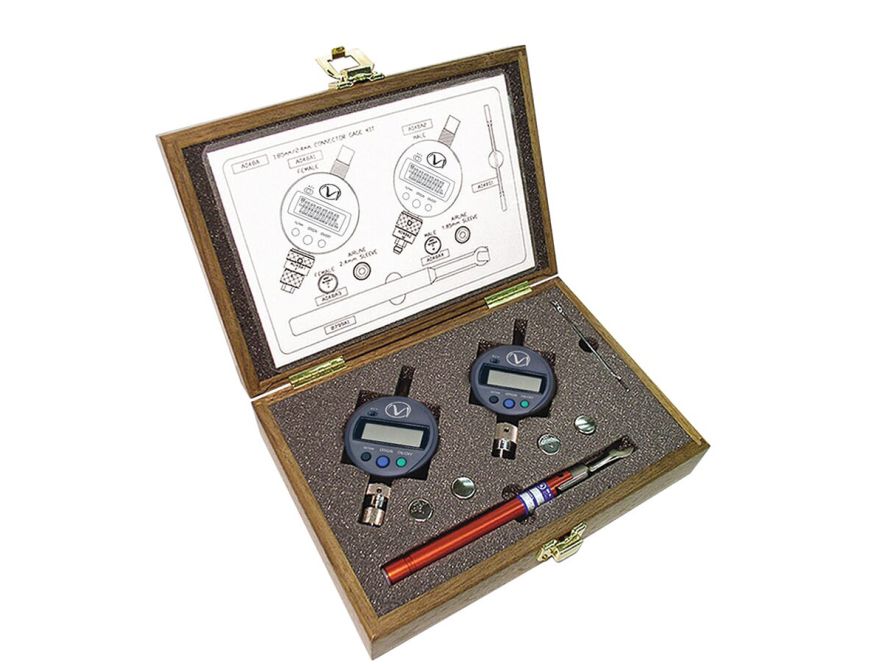
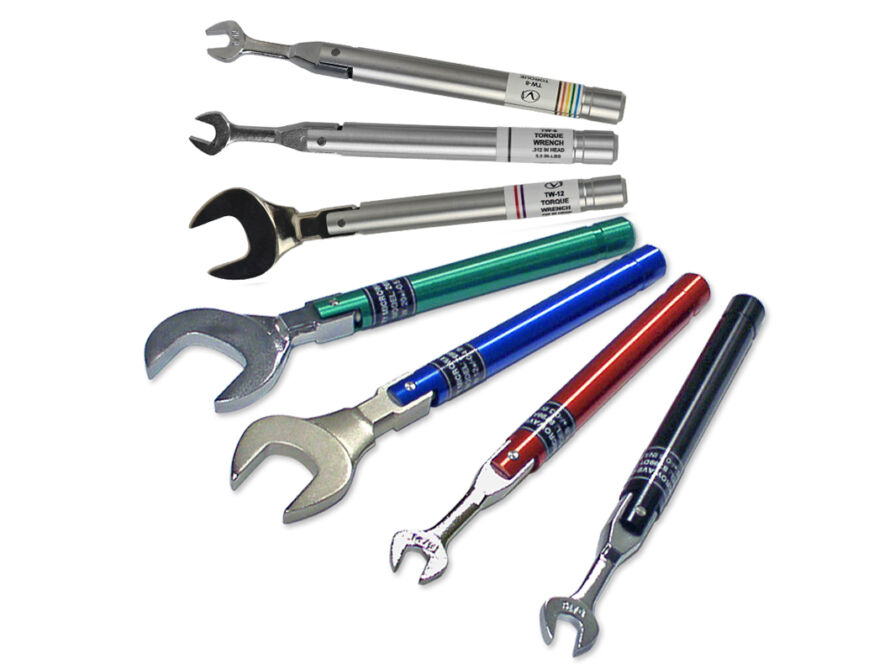
While visual inspection is an important first step, many workflows use additional tools to ensure connections are secure and stable in a test setup. Connector gage kits help verify interface condition, torque wrenches ensure proper mating force, and color-coded interconnects reduce the risk of mismatched or improperly handled components.
By combining quick visual checks with the right tools, engineers can improve measurement confidence and protect system integrity.