

Impedance Tuners
Each Maury impedance tuner solution adapts to your unique testing reequipments to ensure results are reliable and true.
Experience the next evolution of tuner technology
Maury impedance tuners provide engineers and researchers with flexible and advanced tools to control and match impedance for accurate device characterization. Our portfolio includes:
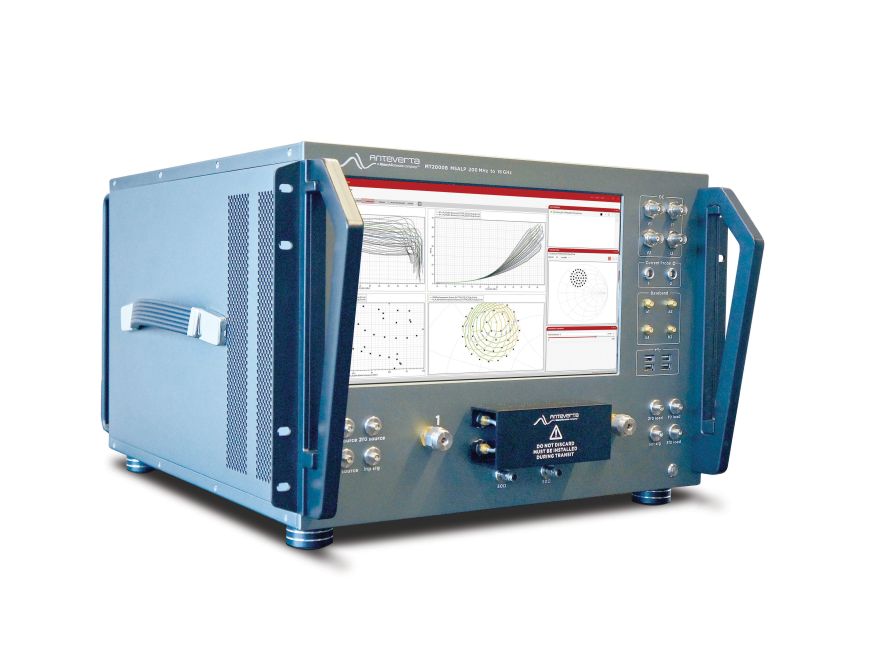
- Active load pull tuners enabling real-time load control.
- Automated tuning for streamlined, repeatable measurements.
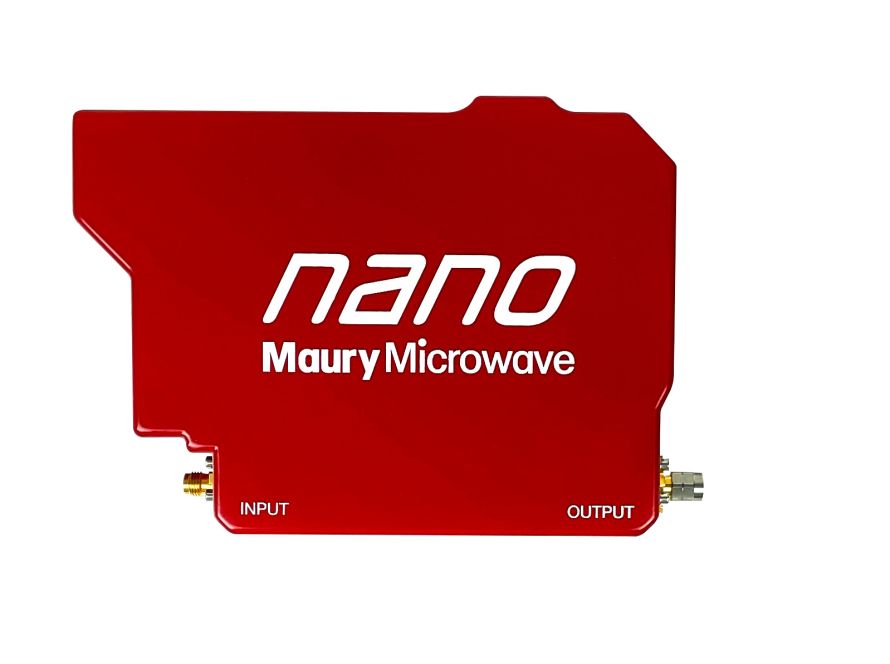
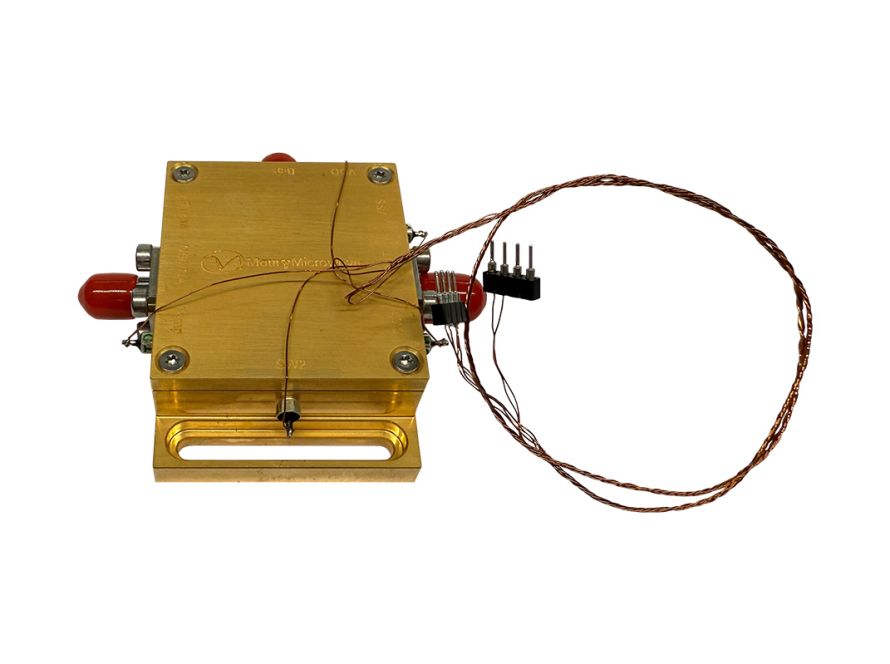
- Cryogenic-optimized tuners designed for low-temperature. environments.
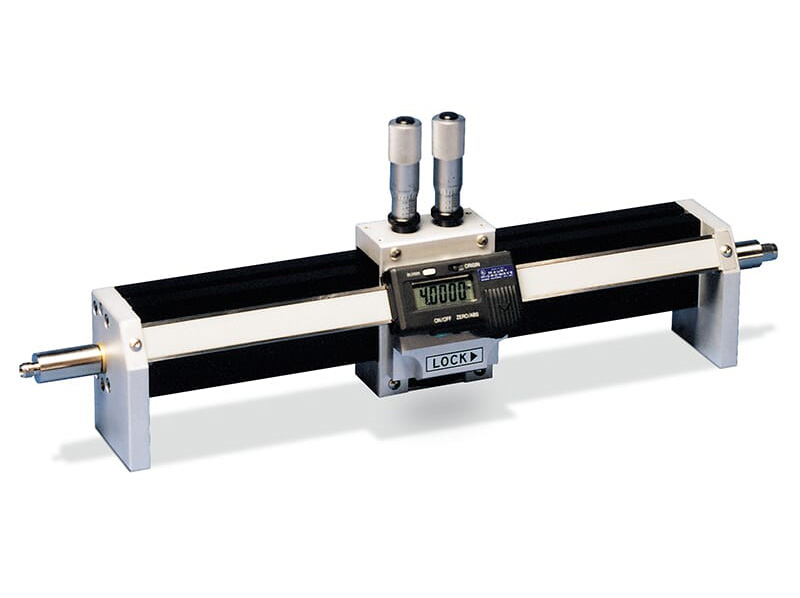
- Manual tuning for hand-on impedance control.
- Stub tuners offering broadband impedance transformation.
From manual tuning for hand-on adjustments to fully automated systems that streamline complex test environments, our solutions cover any requirement, no matter how complex.

Best in Class
We specialize in fully integrated solutions.
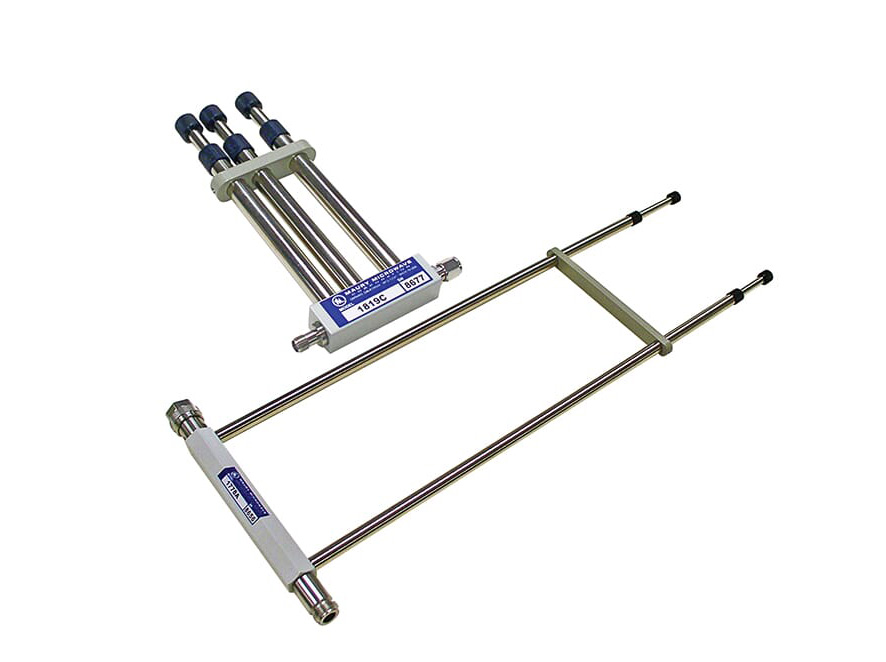
Explore more
Related Resources
02
Overcoming the Challenges of On-Wafer Load Pull Measurements at Millimeter-Wave Frequencies for 5G Applications
This paper reviews the challenges of on-wafer load pull measurements at 5G mmW bands, specifically how high insertion losses can reduce the effectiveness of load pull and how to overcome these losses through the novel concept of hybrid-active load pull.
stay informed
Latest News & Blogs
How Can You Perform Harmonic Load Pull on High-Power GaN Devices?
Load pull allows engineers to evaluate how a device performs by varying the load impedance presented to the device under test (DUT). But what happens when a high-power GaN device…
How Do Pulsed IV Measurements Reveal True Device Behavior?
Engineers rely on IV measurements to accurately characterize the electrical behavior of semiconductor devices – but what if the measurement process itself affects the results? During conventional DC IV characterization,…
What Can Conventional Load Pull Miss When Characterizing GaN Devices?
GaN power devices used in radar, wireless infrastructure, and pulsed RF systems can behave differently under dynamic operating conditions than under steady-state measurement. Charge trapping following large-signal RF stress can…
See Maury’s Live RF and Microwave Demonstrations at EuMW 2026
Explore advanced solutions for load pull, pulsed IV, satellite link emulation, VNA calibration, EMC immunity, counter-UAS testing, and real-time RF power measurement at Booth B30, ExCel London. What does it…
What Does a High-Frequency EMC Immunity Test Setup Look Like?
Electromagnetic compatibility (EMC) immunity testing is used to assess a device’s resistance to external electromagnetic influences, analyzing whether it continues to operate as intended or experiences malfunctions or other operational…
MT2000 Mixed-Signal Active Load Pull System Expands Modulation Bandwidth to 2 GHz
Maury Microwave is pleased to announce the expansion of the MT2000 Mixed-Signal Active Load Pull System, delivering wideband impedance control now up to 2 GHz modulation bandwidth at the fundamental,…
How Do You Determine Whether a Connector Is Within Tolerance?
Checking the mechanical dimensions before mating ensures all coaxial connectors in a test setup are operating within their specified tolerances. In addition to positioning and alignment, the depth of both…
How Do You Control Impedance with a Slide-Screw Tuner?
Accurately characterizing RF devices often requires testing beyond standard 50 Ω conditions, as performance depends on the impedance presented to the device. To evaluate this behavior, engineers use load pull…