

Load Pull and Source Pull
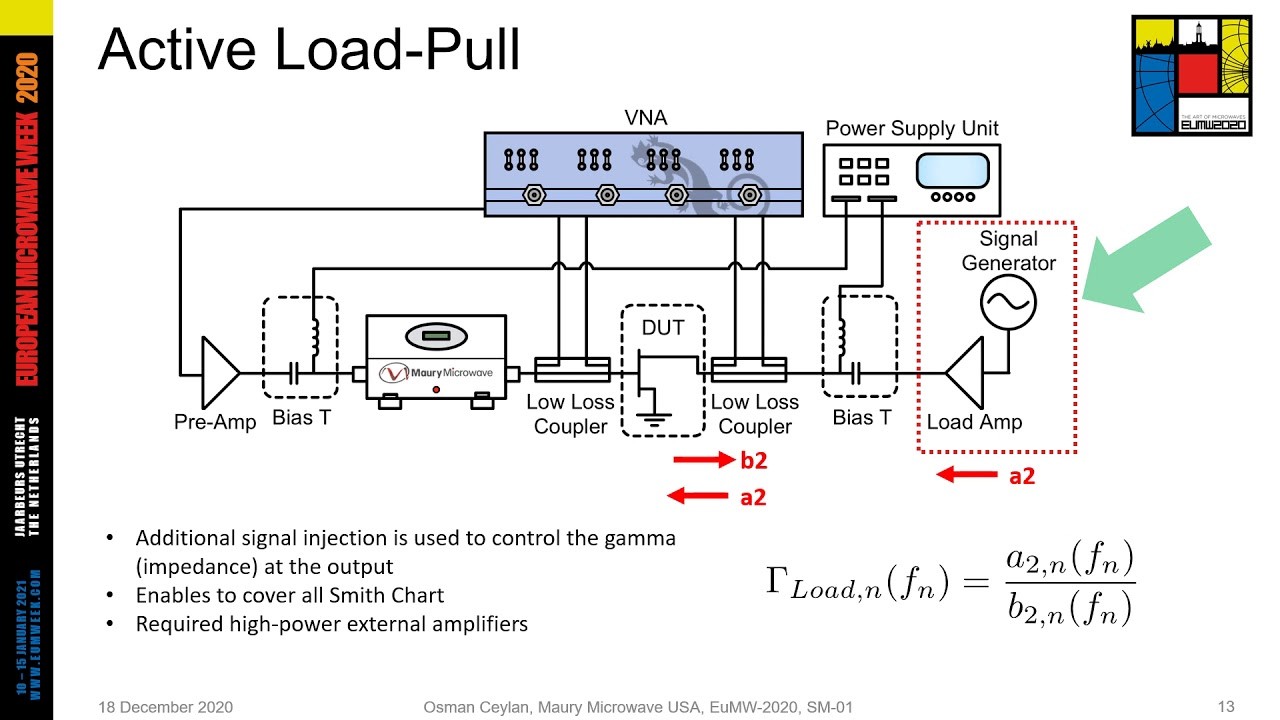
The term “load pull” consists of varying or “pulling” the load impedance seen by a device-under-test (DUT) while measuring the performance of the DUT. Similarly, “source pull” involves changing the source impedance instead of the load impedance. This is typically achieved by using a passive instrument called a tuner, which allows the user to “tune” the impedance seen at the input or output of the DUT. Load and source pull are used to measure a DUT in actual operating conditions. This method is important for large signal, nonlinear devices where the operating point may change with power level or tuning. Load or source pull is not usually needed for linear devices, where performance with any load can be predicted from small signal S-parameters.
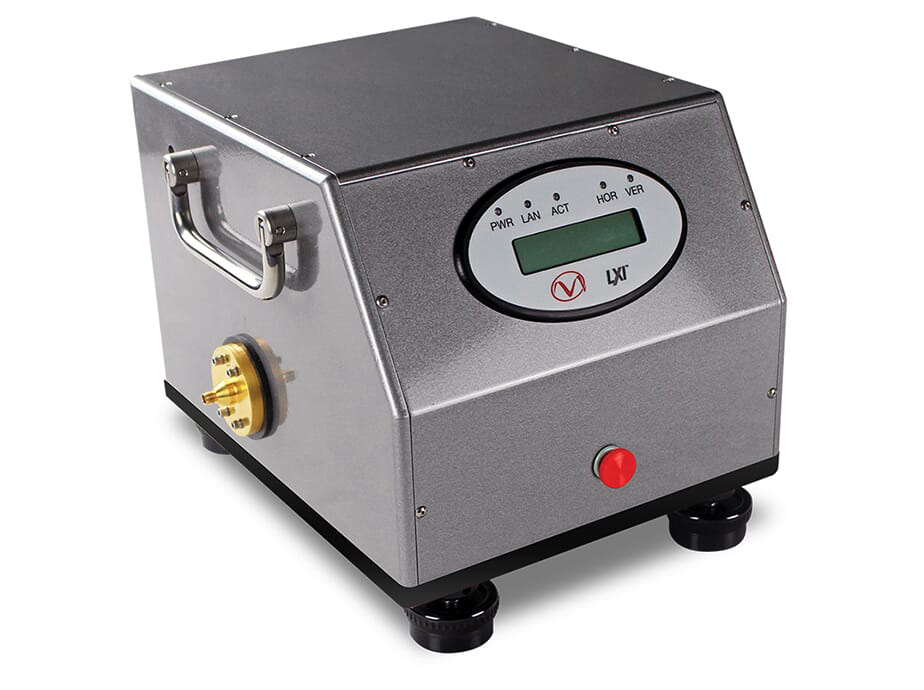
Learn more about Maury solutions for scalar load pull
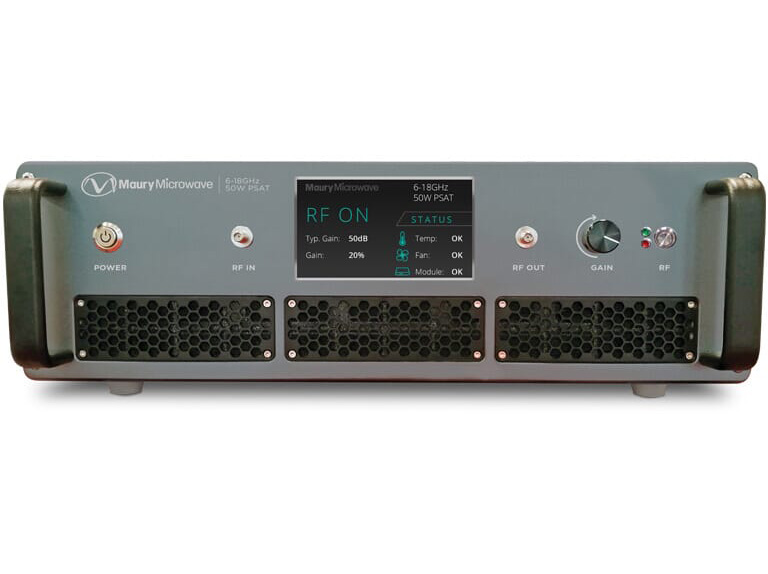
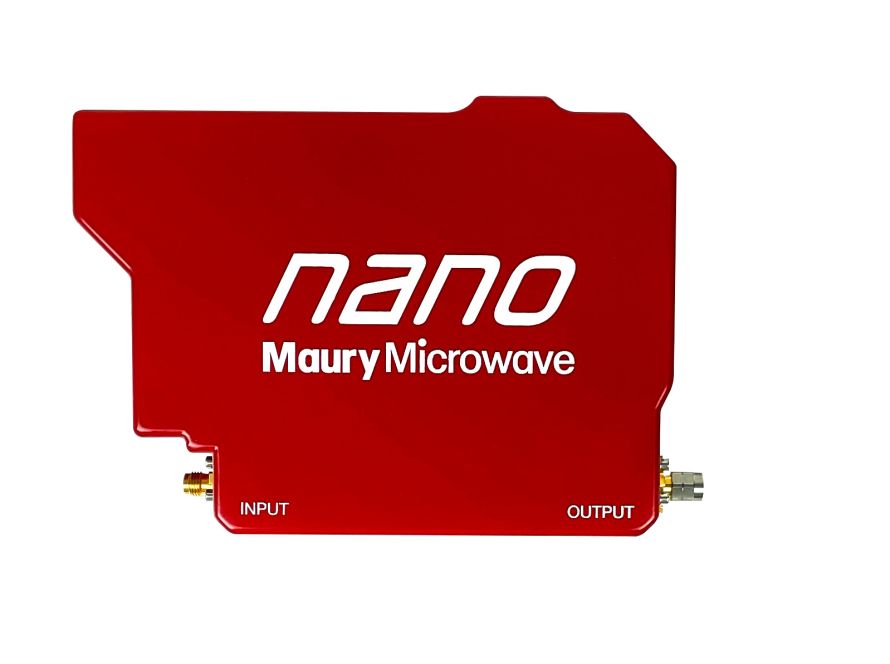
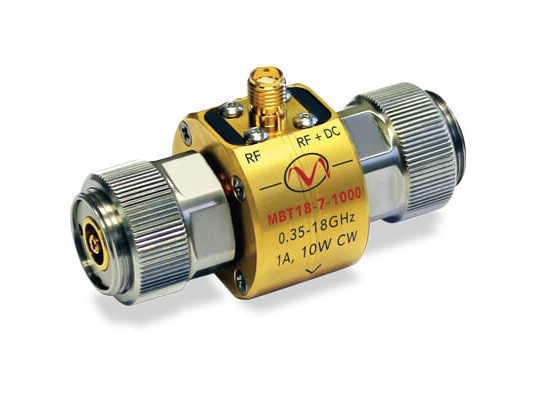

Scalar Load Pull
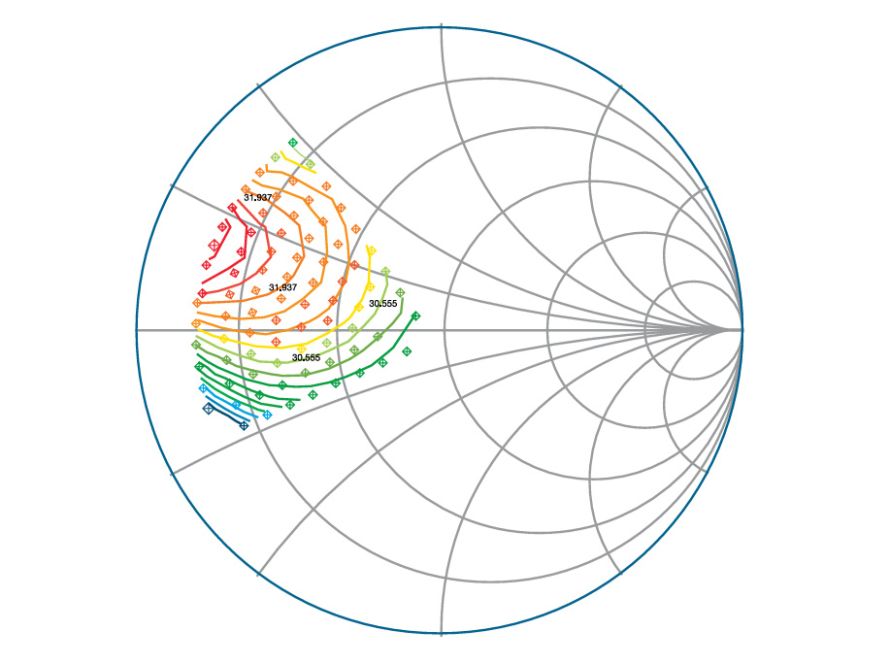
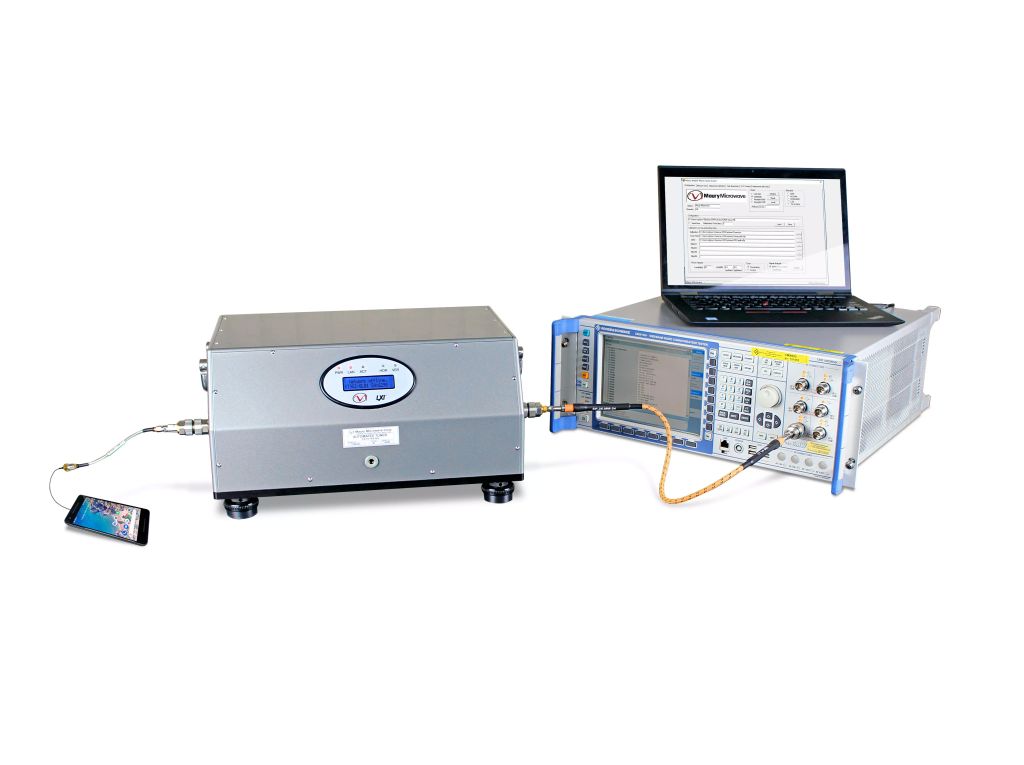
When using a scalar, also known as a traditional load pull setup, the aim is to determine the source and load impedance conditions which enable the DUT to reach the targeted performances (Pout, Efficiency, Gain, etc …). Starting from the target definition Power performances versus Zsource and Z load, ISO-circles plot can be plotted. This leads to the determination of optimal operating conditions. The traditional load pull architectures are mainly based on power meter use, both for input and output power measurements. Using an automated tuner and a proper calibration of the path between the power sensors and the DUT reference planes enables users to measure the value of the power seen by the DUT.
Explore More
Related Resources
stay informed
Latest News & Blogs
What Are High-Power Microwaves and Why Do They Matter on the Battlefield?
High power microwave (HPM) technology is an effective tool to counter hostile electronic systems quickly and precisely. In this post, we’ll explore what HPM systems are, how they work, and…
How Can Engineers Validate the Power and Precision of High-Power Microwaves?
When an electronic threat is identified, high-power microwave (HPM) pulses can be used to shut down or destroy a target’s most essential systems. Achieving this level of performance requires advanced…
Why Does Pulse Shape Matter for Radar (and How to Accurately Characterize It)?
From air traffic control operations to weather monitoring to mission-critical military applications, pulsed and pulse compression (CHIRP) radar plays a vital role in target detection and tracking applications. In this…
How Do Natural Effects & RF Impairments Impact Satellite Transmissions?
Satellite communications signals travel through environments filled with natural effects and impairments that can impact transmissions. For example, signals must contend with distortions introduced from various interfering sources. Free-space propagation…
Why Is Channel Emulation Key for Deploying 5G Non-terrestrial Networks Successfully?
Relying solely on traditional ground-based infrastructure has limitations, particularly when providing coverage to remote or underserved areas. 5G non-terrestrial networks (NTN) enhance the capabilities of terrestrial systems by integrating non-terrestrial…
Want to Optimize Satellite Communications Testing? Join Us at Booth #2112 during SATELLITE 2024
Hosted in Washington, DC, SATELLITE 2024 is a premiere conference for the global space and satellite communities to discuss the latest innovations, products, and services. In this blog post, learn what attendees can…
How Can Local Oscillators Impact the Performance of Radar and Satellite Systems?
Local oscillators (LO) are crucial components used in the upconversion and downconversion chains of radar and satellite communications systems. In this post, learn the role of the LO and how…
Why Should Directed Energy Weapons Integrate an Additive White Gaussian Noise Source?
Embedding a noise source into a laser weapon’s electronics can improve its effectiveness in neutralizing hostile targets. Want to learn how that’s possible? Available now is the Noisecom webinar, “How Can…