

The standards behind accurate VNA measurements
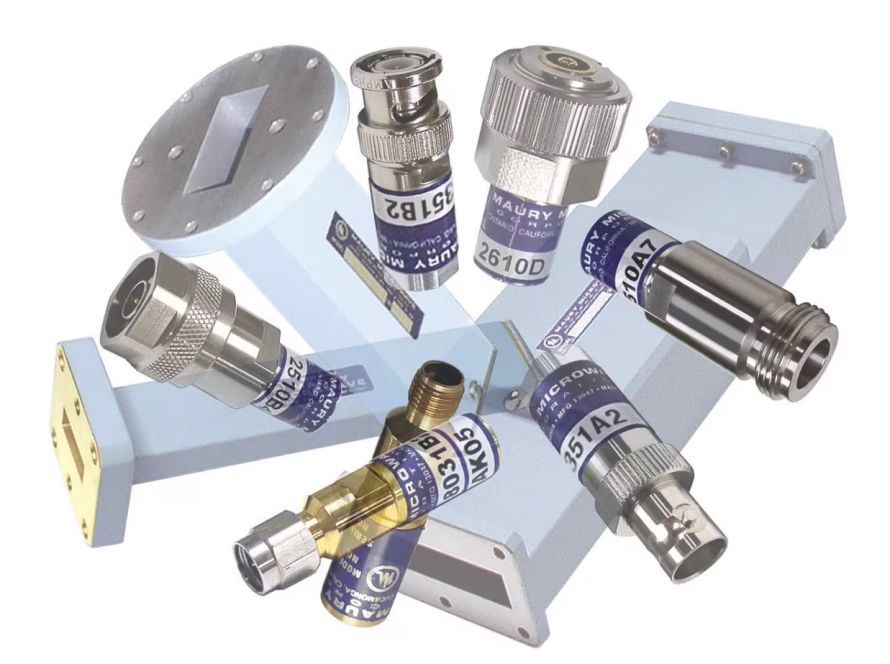
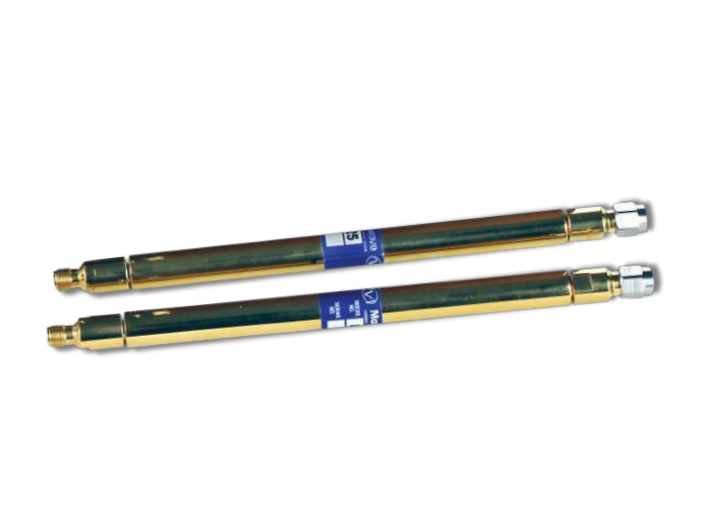
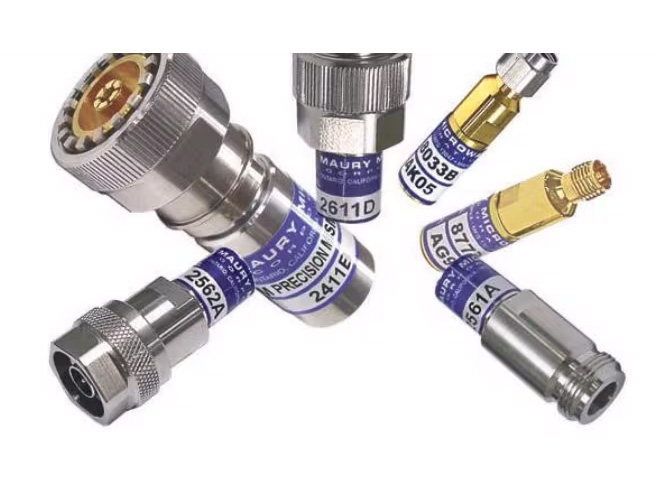
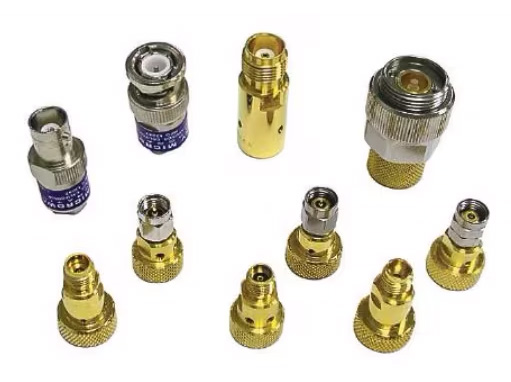
Vector network analyzer (VNA) calibration is only as reliable as the standards behind it. Maury broad portfolio of calibration standards provides the performance required for accurate S-parameter measurements across coaxial and waveguide systems. Whether it’s open, short, load, airline components—or mismatch and waveguide sections—each standard is engineered to ensure excellent repeatability, traceability, and mechanical stability. Serving as the backbone of SOLT, TRL, and other calibration techniques spanning R&D, manufacturing, and metrology applications, Maury VNA calibration standards uphold measurement confidence in every setup.

Best in Class
We specialize in fully integrated solutions.

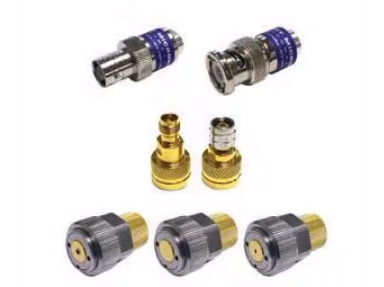
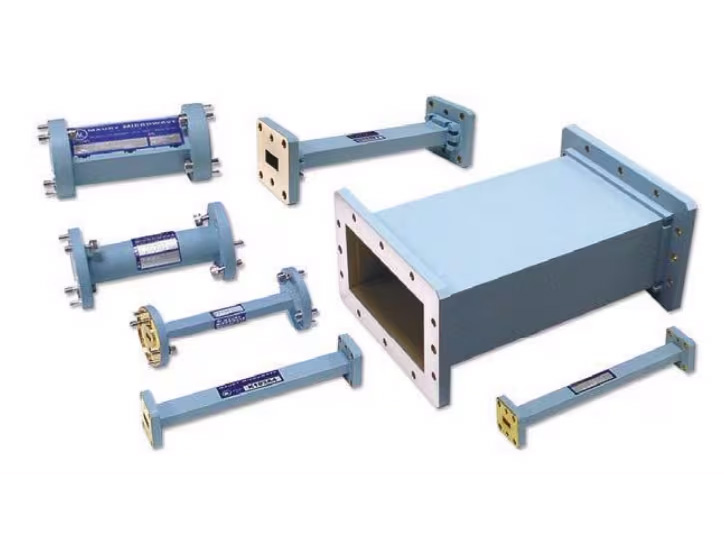
Explore More
Related Resources
01
Characterizing Uncertainty in S-Parameter Measurements
As technologies evolve and requirements become more challenging, implementing processes that increase confidence in measurements and ensure accurate and reliable characterization—and product performance—are critical. Learn how to characterize uncertainty with S-parameter measurements in this application note.
stay informed
Latest News & Blogs
How Do You Determine Whether a Connector Is Within Tolerance?
Checking the mechanical dimensions before mating ensures all coaxial connectors in a test setup are operating within their specified tolerances. In addition to positioning and alignment, the depth of both…
How Do You Control Impedance with a Slide-Screw Tuner?
Accurately characterizing RF devices often requires testing beyond standard 50 Ω conditions, as performance depends on the impedance presented to the device. To evaluate this behavior, engineers use load pull…
How Can You Identify the Right RF Connector for Your Test Setup?
RF connectors can look similar, but not all are compatible with one another. Connector families such as SMA, 3.5 mm, and 2.92 mm, as well as 2.4 mm and 1.85…
What Causes Time-Varying Propagation Delay in Satellite Links?
Propagation delay is the time required for a signal to travel between a transmitter and receiver. In satellite systems, this delay depends on the signal path length and the speed…
Does This Connector Look Right to You? What to Check Before Use
Before putting a connector to use, a quick visual inspection can prevent costly issues. In just a few seconds, it’s possible to identify problems that impact measurement accuracy, system performance,…
How Does Doppler Shift Affect Signals During a Satellite Pass?
Non-terrestrial networks (NTN) introduce a range of impairments that must be accurately modeled during testing. One key impairment is Doppler shift. Doppler shift occurs when a transmitter and receiver move…
Recreate Real-World Satellite Conditions Without Leaving the Lab
At the Satellite & Space Summit, Dr. Zacharia Ouardirhi, Senior VP of Customer Engagement at Maury Microwave, presented “NTN in the Lab: Reproducing Real-World Satellite Impairments with Channel Emulators.” Dr.…
New StabilityPower High-power, Low-loss Cable Assemblies
Maury Microwave is pleased to announce the release of its StabilityPower (PW-series) high-power, low-loss microwave/RF cable assemblies optimized for EMC testing up to 6 GHz and 18 GHz. Designed to…